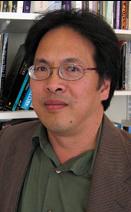
王国斌,复旦大学社会科学高等研究院特聘讲座教授。美籍华裔,尔湾加州大学历史系教授,本科毕业于密歇根大学经济学系,进入哈佛大学后,师从著名历史学家“哈佛学派”费正清先生和孔飞力先生,在欧洲史和中国史的研究领域都颇有建树。他辗转于经济学和历史学之间,用历史学解读经济学,用欧洲史解读中国史,是崛起的“加州学派”的主要代表人物。
Curriculum Vitae
R. Bin Wong
Department of History
7262 Bunche Hall
University of California, Los Angeles
Los Angeles, CA 90095
Higher Education
B.A. in Economics with High Honors Distinction, University of Michigan, 1971, (thesis on the 18th c. French fiscal system).
M.A. in Regional Studies East Asia, Harvard University, 1973, (thesis on the rural economy of Hubei province in the 1930s).
Ph.D. in History, Harvard University, 1983, (dissertation on the political economy of food supplies in Qing China).
Academic Honors, Fellowships, and Grants
Phi Beta Kappa, University of Michigan, 1971.
National Defense Foreign Language Fellowships, summer 1972, academic years 1973 1974, 1974 1975, 1976 1977.
Fulbright Hays Dissertation Research Abroad Fellowship, September 1977 August 1978 (Japan and Taiwan).
Research Scholar Fellowship from the Committee on Scholarly Communication with the People's Republic of China, 1981.
Junior Fellow, University of Michigan Society of Fellows, 1982 1985.
Mellon Foundation Young China Scholar Fellowship, 1986.
Research Scholar Fellowship from the Committe on Scholarly Communication with the People's Republic of China, 1990.
Co-organizer, Conference grants from University of California Pacific Rim Research Program, 1991, 1992.
Co-organizer, Conference grant from University of California, Humanities Research Institute, 1992.
Co-organizer, Conference grants from University of California, Irvine, Vice Chancellor for Research, 1991, 1992.
Pacific Rim Exchange Grant, Education Abroad Program, University
of California, 1992.
Principal Investigator, Pacific Rim Research Grant, University of California Office of the President, 1994-1995 [for collaborative research].
Professional Appointments
Teaching
Teaching Fellow, Harvard University, 1973 1975.
Tutor, Harvard University, 1975 1976, 1978 1979.
Instructor, Wellesley College, 1979 1980.
Adjunct Assistant Professor, University of Michigan, 1984 1985.
Assistant Professor, University of California, Irvine, 1985 1987.
Directeur d'études associé, Ecole des Hautes Etudes en Sciences Sociales (Paris), Spring 1986; Spring 1993, Spring 1998, Spring 2000, Spring 2003, Spring 2007 (variously sponsored by Research Center on Contemporary China, Center for Historical Research, President’s Office, and the Paris School of Economics).
Associate Professor of History, University of California, Irvine, 1987 1995.
Professor of History, University of California, Irvine, 1995 - present.
Professor of History and East Asian Languages and Literatures, UCI, 1996 - 1997.
Professor of History and the Social Sciences, UCI, 1997 –1999
Chancellor’s Professor of History and Professor of Economics, UCI, 2000- 2004
Professor of History and Director, Asia Institute, UCLA 2004 – present.
Visiting Professor, College de France, Paris, June 2005.
Zhang Kaiyuan Visiting Professor, Central China Normal University, Wuhan China, October 2007
Administration
Bilingual Administrative Assistant to the Director, Chinese School, Middlebury College, summers 1974 1976.
Acting Associate Dean for Graduate Studies, School of Humanities, University of California, Irvine, fall 1988.
Director, Focused Research Program in East Asian Studies, UC Irvine 1990 - 1993.
Director, Asian American Studies Program, UC Irvine 1992 - 1996.
Director, Center for Asian Studies, UC Irvine 1999 –
Interim Chair, Department of Asian American Studies UC Irvine, Fall 2002.
Director, UCLA Asia Institute, 2004 - present
Research
Research Associate, East Asian Research Center, Harvard University, 1975 1976.
Visiting Research Associate, Institute of Oriental Culture, University of Tokyo, 1977 1978.
Post doctoral Scholar, Center for Chinese Studies, University of Michigan, 1984 1985.
Visiting Research Associate, Institute of Oriental Culture, University of Tokyo, Fall 1992.
Visiting Research Associate, Institute of Asian Cultural Studies, International Christian University (Tokyo), Fall 1992.
Visiting Fellow, Institute of Modern History and Institute of Social Sciences and Philosophy, Academia Sinica, Summer 1995
Visiting Scholar, School of Economics, Fudan University, Fall 2007.
Publications
Books
1. with Pierre-Etienne Will, Nourish the People: State Civilian Granaries in China, 1650 1850. (Ann Arbor: University of Michigan Publications in Chinese Studies, 1991).
2. with Mark Kishlansky, Patrick Geary and Patricia O'Brien, Societies and Cultures in World History. (Harper Collins, 1995)
3. edited with Theodore Huters and Pauline Yu, Culture and State in Chinese History: Conventions, Critiques and Accomodations. (Stanford University Press, 1997).
4. China Transformed: Historical Change and the Limits of European Experience (Cornell University Press, 1997)
5. Zhuanbian de Zhongguo—lishi bianqian yu Ouzhou jingyan de juxian (Jiangsui renmin chubanshe, 1998) [a Chinese version of #4]
6. translator, The Development of Qing dynasty Jiangnan Agriculture (by Li Bozhong) (MacMillan, 1998).
Articles
7. Translator, "Agricultural Modernization and Agricultural Production Efficiency", by Zheng Linzhuang, Social Sciences
in China 1981.3.
8. "Food Riots in the Qing Dynasty", Journal of Asian Studies, 41.4 (August 1982): 767 788.
9. "Les emeutes de subsistances en Chine et en Europe occidentale", Annales: economies, societies, civilisations 38.2 (mars avril 1983): 234 258.
10. with Peter C. Perdue, "Famine's Foes in Ch'ing China", Harvard Journal of Asiatic Studies, 43.1 (June 1983): 291 332.]
11. "China and World History," Late Imperial China 6.2 (December 1985): 1 12.
12. "Jinian chuangkan wu zhounian bitan" (Thoughts to commemorate the 5th anniversary of publication) [one of 3 American based scholars to have remarks solicited and published by the journal to discuss the future of social and economic history in China], Zhongguo shehui jingji shi yanjiu, 1987.2: 4 5.
13. "Rural Industry and Demographic Change in China and Western Europe: A Preliminary Sketch", Chugoku kindaishi kenkyu (September 1988) 6: 1 32.
14. "Naguere et aujourd'hui: Refle 1988) 7.1: 7 28.
15. with Peter C. Perdue, "Shiba shiji Hunan de liangshi shichang yu liangshi gongji," (18th-century Hunan grain markets and food supplies), Qiusuo (1990)
16. with James Lee, "Population Movements in Qing China and Their Linguistic Legacy," in William Wang, ed., Language and Dialects of China (Berkeley: Journal of Chinese Linguistics, 1991).
17. "The Development of China's Peasant Economy: A New Formulation of an Old Problem," Peasant Studies 18.1 (Fall 1990)
18. "Lineages and Local Government in Late Imperial and Modern China," Jinshi jiazu yu zhengzhi biaojiao lishi lunwen ji (Conference volume on modern comparative history of family and politics), (Taibei: Modern History Institute, Academia Sinica, 1992) vol. 2: 779-806.
19. with Peter C. Perdue, "Grain Markets and Food Supplies in 18th-century Hunan," in Lillian Li and Thomas Rawski, eds., Chinese History in Economic Perspective, University of California Press: 1992.
20. with William Lavely, "Family Division and Mobility in North China", Comparative Studies in Society and History, 1992.
21. "Chinese Economic History and Development: A Note on the Myers-Huang Exchange," Journal of Asian Studies 51.3 (August 1992): 600-612.
22. "Zhongguo yu Xi Ou nongcun gongye yu jingji fazhan de bijiao yanjiu" (Comparative research on rural industry and economic development in China and Western Europe). Zhongguo shehuijingjishi yanjiu (1992.4: 1-9).
23. "Studying Republican China's Economy: What's New and What's Needed," Republican Studies 18.1 (November 1992): 77-89.
24. "Dimensions of State Expansion and Contraction in Imperial China," Journal of Economic and Social History of the Orient (1994) 37: 54-66.
25. "Great Expectations: The 'Public Sphere' and the Search for Modern Times in Chinese History," Chugokushi gakku (Studies in Chinese History) 3 (October 1993): 7-50.
26. "Social Order and State Activism in Sung China: Implications for Later Centuries," Journal of Sung-Yuan Studies 26 (1996): 229-50.
27. "Xifang xuejie dui jindai Zhongguo jingjishi de yanjiu qushi" (Research trends in Western studies of modern Chinese economic history), Guoshiguan guankan 20 (June 1996): 7-12.
28. with Theodore Huters and Pauline Yu, "Shifting Paradigms of Political and Social Order," in Huters, Wong and Yu, eds., Culture and State in Chinese History: Conventions, Accommodations and Critiques. Stanford University Press. 1997.
29. "Confucian Agendas for Material and Ideological Control in Modern China," in Huters, Wong and Yu, eds., Culture and State in Chinese History: Conventions, Accommodations and Critiques. Stanford University Press. 1997.
30. "Chinese Views of the Money Supply and Foreign Trade, 1400-1850" in Sally Miller and A. J. H. Latham, eds., Studies in the Economic History of the Pacific Rim. Routledge. 1997.
31. "Chinese Understandings of Economic Change: From Agrarian Empire to Industrial Society," in Timothy Brook and Hy V. Long, eds., Culture and Economy: The Shaping of Capitalism in Eastern Asia, University of Michigan Press, 1997.
32. “The Importance of Archives to the Study of Ch’ing China’s Political Economy,” in Symposium on Modern Chinese Historical Archives. Academia Historica. 1998.
33. with William Lavely, "Revising the Malthusian Narrative: The Comparative Study of Population Dynamics in Late Imperial China," Journal of Asian Studies (August 1998)
34. "The Changing Horizons of Chinese Tax Resistance," in Michael P. Hanagan, Leslie Page Moch and Wayne te Brake, eds., Challenging Authority: The Historical Study of Contentious Politics. University of Minnesota Press, 1999.
35. "Citizenship in Chinese History," in Michael P. Hanagan and Charles Tilly, eds., Recasting Citizenship. Rowan and Littlefield, 1999.
36. "The Political Economy of Agrarian China and its Modern Legacy" in Timothy Brook and Gregory Blue, eds, China and Capitalism: Geneologies of Sinological Knowledge. Cambridge University Press, 1999.
37. "Two Kinds of Nation, What Kind of State" in Timothy Brook and Andre Schmid, eds., Nation Work. University of Michigan Press, 2000.
38. "Opium and Chinese State Making" in Timothy Brook and Bob Wakabayashi, eds., Opium and Asian History. University of California Press, 2000.
39. “Zhongguo de zhengzhi jingji qu” (China’s political economic regions), in Zhang Guogang, chief editor, Zhongguo shehui lishi pinglun vol. 2. Tianjin guji chubanshe, 2000.
40. “Lishi bianqian yu zhengzhi de kenengxing—Zhong Xi shehui lilun de bijiao” (Historical change and political possibilities—a comparison of Chinese and Western social theory), Zhongguo xueshu 4 (2000): 138-59.
41. "Entre monde et nation :Les regions Braudelienne en Asie” in Annales HSS, 56.1 (jan-fev 2001): 5-42.
42. “Benevolent and Charitable Activities in the Ming and Qing Dynasties: perspectives on state and society in late imperial and modern times,” Review of Bibliography in Sinology new series 17 (2000): 249-58.
43. “Tax resistance, economy and state transformation in China and Europe,” Economics of Governance Volume 2.1 (2001): 69-83.
44. "The Social and Political Construction of Identities in the Qing Empire", Leonard Blussé and Felipe Fernándes-Armesto, eds., Shifting Communities and Identity Formation in Early Modern Asia, CNWS, Leiden , The Netherlands 2003, pp. 61-72
45. “The Search for European Differences and Domination in the Early Modern World:
A View from Asia,” American Historical Review, 107.2 (April 2002): 447-69.
46. “Formal and Informal Mechanisms of Rule and Economic Development:
The Qing Empire in Comparative Perspective,” Journal of Early Modern History, 5.4 (2001): 387-408.
47. “Comparative Perspectives on Chinese Dynamics of Political and Economic Change,” in Miura Toru, ed., Ownership, Contracts and Markets in China, Southeast Asia and the Middle East: the potentials of Comparative Study. University of Tokyo Islamic Area Studies Project. 2001.
48. “Xu,” Baiyin ziben, 12-17 Zhongyang bianze chubanshe 2000 ( preface to the Chinese edition of Andre Gunder Frank, Reorient)
49. “Minzhong shidai” yu Xifang dui Zhongguo jindaishi de yanjiu” (The age of the masses and Western research on modern Chinese history),” Zhongguoshi yanjiu dongdai 1995.4: 19-22 (a Chinese edited version of #25).
50. “Kokka to sekai no aida—Ajia ni okeru Buroderu no (chiiki)—“Between state and world—Braudel (regions) in Asia) Shiso 937 (2002.5): 5-30 [a revised version of #41].
51. “The Political Economy of Chinese Rural Industry And Commerce in Historical
Perspective,” Etudes Rurales (Le retour du marchand dans la Chine rurale) 161-162, (janvier-juin 2002): 153-64
52. “Relationships between the Political Economies of Maritime and Agrarian China, 1750-1850,” in Wang Gungwu and Ng Chin-Keong eds., Maritime China and the Overseas Chinese Communities, Wiesbaden (Germany): Harrassowitz Verlag 2004
53. “Between Nation and World: Braudelian Regions in Asia,” Review XXVI.1 2003: 1-45. (a revised English version of #41).
54. “Asian Values: In Search of Possibilities,” Korea Journal, 42.2 (Summer 2002.): 181-93.
55. “Beyond Sinocentrism and Eurocentrism,” Science and Society, 67.2 (Summer 2003): 173-83.
56. “Tax resistance, economy and state transformation in China and Europe,” in Amihai Glazer and Kai Konrad, eds., Social Conflict, Heidelberg: Springer-Verlag, forthcoming (reprint of #43).
57. “The Political Ambiguity of Voluntary Associations in Late Imperial and Modern China:Chinese Forms of Cultural Hegemony, Coercion and Social Control in Comparative Perspective,” Global Economic Review, 31.1 (2002): 27-46.
58. “Integrating China into World Economic History,” an electronic publication of the Association for Asian Studies at http://www.aasianst.org/catalog/wong.pdf [Spring 2003] [this piece is part of the discussion begun by Philip Huang’s critique of Kenneth Pomeranz’s The Great Divergence which the Journal of Asian Studies accepted for publication at the AAS website because of space constraints in the journal]
59. “Early Modern Economic History in the Long Run,” Science and Society, summer 2004.
60. “Chiiki sekai no keiken o manabe” (East Asia as a World Region in the 21st Century”. Nihon Keizai Shimbun 13 August 2004.
61. “China’s Agrarian Empire: a different kind of empire, a different kind of lesson.” In Craig Calhoun, Frederick Cooper and Kevin W. Moore, eds., Lessons of Empire. New Press, 2005.
62. “China,” “Comparative History,” and “The State” 3 essays in the Berkshire Encyclopedia of World History, Berkshire Publishing Group, 2005.
63. “Asia in the Future of Economic History” Economic and Political Weekly 25 December 2004: 5669-5672.
64. ““The Political Ambiguity of Voluntary Associations in Late Imperial and Modern China:Chinese Forms of Civic Possibility, Past and Present,” in Hahm Chaihark and Daniel A. Bell, eds., The Politics of Affective Relations. Lexington Books, 2004. (a revised version of #57)
65. “Il n’y aura pas de revolution industrielle!” L’Histoire (June-August 2005) No. 300: .pp 64-71.
66. “Taxing Transformations: Some Fiscal Features of Chinese States Past and Present” Etudes Chinoises. 24 (2005): 113-35.
67. “Nongye diguo de zhengzhi jingji tizhi ji qi dangdai de yiyi” in Zhongguo yu lishi zibenzhuyi Taipei: Chu Liu, 2004 and Beijing: Xinxing chubanshe, 2005. (a Chinese translation, in regular and simplified characters of #36)
68. “Detecting the Significance of Place,” in Robert E. Goodin and Charles Tilly, eds., The Oxford Handbook of Contextual Political Analysis, Oxford University Press, 2006, 534-546.
69. 18世纪以来中国财政变迁及相关问题 (Chinese fiscal changes since the eighteenth century and related problems) 史林 2006年第2期
70. “Les politiques de dépenses socials avant or sans démocratie,” Annales,HSS (novembre-décembre 2007) 62.6: 1405-1416.
Other Papers and Reports
"Social Responsibility Accounting: The Measurement and Reporting of Corporate Social Responsibility in the U.S." (a 125 page study submitted to the Japan Trade Center (proprietary research) 1979.
Translator, "A Report on the Reasons for Expensive Grain" by Yang Xifu" (a memorial of 1748, translation used in Chinese history courses at Harvard University), 1980.
with William Lavely, "Family Division, Reproductivity and Landholding in North China", Population Studies Center Research Report (University of Michigan) 84 65, October 1984.
with James Lee, "New Research Sources for the Study of Late Imperial China", China Exchange News, December 1987.
Current Research (book projects only)
book-length manuscript on Chinese political economy, 1650-2000
East Asian history textbook (contract with W. W. Norton).
Chinese history textbook (contract with W. W. Norton).
with Jean-Laurent Rosenthal, a book-length project on Chinese and European economic history
with Karen Barkey and Eiko Ikegami, a comparion of Chinese, Japanese and Ottoman state making experiences
Conferences, Conventions and Invited Talks Since 2000
“The Chinese State and Useful Knowledge: Criteria, Intentions and Consequences,” Conference in Global History on Regimes for the Generation of Useful and Reliable Knowledge in Europe and Asia, 1365-1815. Cumberland Lodge, Windsor Great Park. 14-16 April 2000.
“The Chinese State: Persistent or Peculiar?” Institute de l’Asie Orientale, Lyon, 2 May 2000.
“Between Nation and World: Braudelian Regions in Asia,” Conference entitled “Penser le Monde,”
Ecole des Hautes Etudes en Sciences Sociales, 10 May 2000.
“Historical Perspectives on Chinese Democratic Possibilities,” Centre Chine, Ecole des Hautes Etudes en Sciences Sociales, 16 May 2000
“The Social and Political Construction of Identities in the Qing Empire,” Itinerario-Netherlands Institute for Advanced Studies Conference “Shifting Communities and Identity Formation in Early Modern Asia,” Wassenar, Netherlands, 22-23 May 2000.
“Formal and Informal Mechanisms of Rule and Economic Development: The Qing Empire in Comparative Perspective,” Conference on “Shared Histories of Modernity: Law, State and Administration in China and the Ottoman Empire,” Sabanci University, Istanbul, 2-3 June 2000.
“Comparative Perspectives on Chinese Dynamics of Political and Economic Change” Conference on Property and Markets in China, Southeast Asia and the Middle East, sponsored by the Islamic Area Studies Program, Institute of Oriental Culture, University of Tokyo, 24 September 2000
“Asian Maritime Trade in Global Perspective,” Presidential Panel, Midwest Conference on Asian Affairs, Indiana University, 5 October 2000.
“Taxation and Good Governance in China, 1700-1950,” Working Group on Efficient Government, UCLA Center for Global and Comparative Research, 3 February 2001.
“State Transformations in Regional Contexts: Xinjiang and the Ryukyus,” Interactions: Regional Studies, Global Processes and Historical Analysis (sponsored by the American Historical Association, the Library of Congress, African Studies Association, the Association of Asian Studies, the Community College Humanities Association, the Conference on Latin American History, the Latin Amercian Studies Association, the Middle Eastern Studies Association and the World History Association), Library of Congress, 28 February – 3 March 2001.
“Taxation and Good Governance in Modern Chinese History,” Department of History, Stanford University, 15 March 2001.
“Torture and Transformations of the Chinese State,” The Ethics and Aesthetics of Torture: Contextualizing China,” Joint Centre for Asia Pacific Studies, University of Toronto, 19-20 March 2001
“From Agrarian Empire to National State: 20th-century Chinese State and Nation in Late Imperial Perspective,” Association of Asian Studies Annual Convention, Chicago, 22-25 March 2001.
“Xifang shehuikexue lilun yu Zhongguo lishi xianshi” (Western social theory and Chinese historical realities,” Tsinghua University Graduate School of Humanities and Social Sciences, 6 April 2001.
“Beyond Grand Social Theory: Comparative History and its Relevance to Literary Studies” International Conference on Esthetique du Divers, Institute of Comparative Literature and Culture, Peking University, 7-10 April 2001.
“East Asia as a Confucian World,” New Directions in East and Southeast Asian Cultural History, Institute for Advanced Study, Princeton University,13-14 April 2001
“China: Smithian Growth and the Political Economy of Agrarian Empire” States, Smithian Growth and the Formation of Markets in Europe and Asia, 1368-1815, University of London Institute of Historical Research Programme in Global History, Cumberland Lodge, Windsor Great Park, 27-29 April 2001
“China: Sprouts of Capitalism, Sprouts of Democracy and the Dangers of Weeding the Garden,” East Asian Institute, Columbia University. 10 October 2001.
“Expressing Political Interests and Beliefs in Late Imperial China,” The Center for Historical Social Science, Columbia University. 11 October 2001.
“The Political Economy of East Asia in 1800, 1900, and 2000,” Jackson School of International Studies, University of Washington, 15 November 2001.
“Recent Trends in Chinese Economic History,” (in Chinese), Institute of Modern History, Academia Sinica, Taiwan, 14 December 2001.
“From Agrarian Empire to National State: 20th-century China in Late Imperial Perspective,” Conference on “Translating the Nation in East Asia,” UCLA Center for Modern and Contemporary Studies, 8-9 March 2002.
“Comparative, Regional and Cultural Perspectives on Chinese Economic History,” Chinese University of Hong Kong, Department of History 28 March 2002.
“The Political Ambiguity of Voluntary Associations in Late Imperial and Modern China: Chinese Forms of Cultural Hegemony, Coercion and Social Control in Comparative Perspective,” Conference on "Affective Networks and Civil Society: A Comparative Approach" City University of Hong Kong, 1-4 April 2002.
“Late Imperial Perspectives on Citizenship and Nation in Modern Chinese History,” Conference on “East Asian State Making Revisited,” Leiden University, 28-30 June 2002.
“Late Imperial State-Society Relations: A Chinese Continuum and its Transformation,” University of Tokyo, Institute of Oriental Culture Conference on “Early Modern East Asian States,” 3-4 July 2002.
“Dynamics of State Transformations in Southeast and Northeast Asia,” Kyoto University, Center for Southeast Asian Studies, 8 July 2002.
“East Asian Political Economy in Global Contexts, 1800, 1900, and 2000,” Osaka University Department of Economics, 9 July 2002.
“The Political Economy of East Asia in Global Contexts, 1800, 1900, and 2000,” keynote address to the World History Association Annual Conference, Seoul National University, 15-18 August 2002.
“Chinese Perspectives on World History, ”“Asia in the Curriculum” plenary address, Columbia University, 19-20 September 2002.
“從 財 政 角 度 談 二 十 世 紀 中 國 的 國 家 形 成” , (20th-century Chinese State Building from the Perspective of Fiscal Administration), Chinese Modern History Association Annual Meeting on Twentieth-century Chinese State Building, Institute of Modern History, Academia Sinica, Taipei, Taiwan, 13-14 December 2002.
“Some Chinese Perspectives on World History: Comparisons and Connections from the Other Side of the World” for a conference “Globalizing History at the University of Florida” 4-5 April 2003.
“'Citizenship' in Twentieth Century China”, UCLA Department of Sociology, 28 April 2003.
“The Role of the Chinese State in Long-distance Commerce” for “The State and the Formation of Markets”,a meeting of the Global Economic History Network sponsored by the Leverhulme Trust, London 18-20 September 2003
China’s Agrarian Empire: A different kind of empire, a different kind of lesson for “Lessons of Empire”, A Conference Sponsored by SSRC at New York University, 26-27 September 2003
“China in Global, Regional, and Local Perspectives,” University of the Pacific, 16 October 2003.
“Historical Perspectives on Negotiating with Terror” for “Did the World Turn Upside Down? 9/11 in Historical Context” at University Toronto, 3 November 2003.
“An 18th-century Fiscal Perspective on 19th & 20th Century Chinese State Making” Fairbank Center, Harvard University, 11 March 2004
“New Views of China in Asian and World History,” Hitotsubashi University, 22 April 2004
“Empires in World History and Social Theory” for a symposium on Teikoku no kenkyū Kyoto University 24 April 2004.
“Comparing Chinese and European History: Old Perspectives and New Strategies,” Shanghai World Forum on Chinese Studies, 20-22 August 2004.
“Comparative Perspectives on Chinese Economic and Political Changes since 1500,” Second International Chinese History Conference held at Qinghua University Beijing, 22-24 August 2004.
“The Rise of Contemporary China in Late Imperial Perspective,” Conference on the Rise of China to inaugurate the Institute for Historical Research at Seoul National University, 4-5 November 2004.
“Late Imperial Perspectives on Government and the Activities of Voluntary Associations in Modern China” International Conference of Asian Studies, Taipei Taiwan, 7-10 December 2004
“Fiscal Activities of the Qing Imperial Household and the Transformation of the Chinese State in Comparative Perspective” International Symposium on Financial Change and Entrepreneurial Culture in Modern China, Modern History Institute, Academia Sinica, Taipei, Taiwan, 15-17 December 2004..
“The Changing Fiscal Regime of Qing Dynasty China,” conference entitled “Toward the Twentieth Century in Asia: Comparative Perspectives on Politics, Economy and Society in China and India,” May 19-22, 2005, Franklin Center, Duke University.
“The Chinese State, Social Order and Economic Change,” for a conference ““Weber’s Economic Ethics of the World Religions: New Perspectives,”Deutsches Haus, New York University, 8-9 April 2005.
“Late Imperial Perspectives on Changing Patterns of Political Engagement in Twentieth-Century China ,” Center for Chinese Studies, University of California, Berkeley, 29 April 2005.
“Can We Assume that States Seek to Maximize Revenues? Late Imperial China as Another Kind of Rational State”, seminar to the Economic History Department, University Carlos III, Madrid, Spain. 6 June 2005.
“Political Economy in Modern Chinese History: Another Way to Provincialize Europe,” for conference entitled “Provincializing Europe? Potential and Pitfalls of (Non-) Western Approaches to History”, University of Erfurt, 10-11 June 2005.
“Agrarian Empire in East Asia,” at a European Science Foundation funded conference entitled “Historical Sociology and Universal Empire,” University of Copenhagen, Denmark. 18-19 June 2005.
“Explaining Economic Growth in Late Imperial and Modern China,” College de France, 2 June 2005
“Empire in Chinese History,” College de France, 9 June 2005.
“Taxing Transformations: Fiscal Features of Chinese States,” College de France, 16 June 2005
“Interesting Associations: Chinese States in Theory and Practice,” College de France 23 June 2005.
财政与历史变化 (Fiscal Administration and Historical Change), Institute of History, Shanghai Academy of Social Sciences, 25 August 2005.
“Another look at credit markets and investment in China and Europe before the Industrial Revolution,” Economic History Workshop, Yale University. 21 September 2005.
“Taxation and Good Governance in China, 1500-1914,” Economic History Workshop, Harvard University, 23 September 2005.
“Revisiting China Transformed”, University of British Columbia, 6 October 2005.
“China, Japan and the Ottoman Empire: Paths into the Contemporary World” (with Eiko Ikegami) Amherst College, 17 October 2005.
“Chinese Economic and Political Change in Historical Perspective,” Peking University, 15 November 2005.
“An Economic History Perspective on Chinese Modernity,” Beijing Forum, 16-18 November 2005.
“Social Stratification in Contemporary China: Legacies of the Late Imperial Past,” Yale University January 2006.
“Chinese History and Western Social Theories: Problems and Possibilities” Academia Sinica, Taipei March 2006
“Late 19th-Century Chinese Fiscal Practices in Historical and Comparative Perspective” UCLA-Duke-UCI meeting on modern Chinese and Indian history, May 2006.
“Multiple growth paths: Lessons from Chinese Economic History” Hong Kong June 2006
“Locating Area Studies Between the Humanities and Sciences: Intellectual and Institutional Possibilities” at the Asian New Humanities Net Third Annual Meeting, “The Fine Line In-Between: the Humanities and the Sciences in the 21st Century.” National Central University, Taiwan 13-15 June 2006.
“Chinese Fiscal Reforms in Historical and Comparative Perspectives,” Shanghai World Forum, 21-22 September 2006
“区域性世界与世界性区域” (Regional Worlds and World Regions) 上海社会科学院历史研究所演讲 (Shanghai Academy of Social Sciences) 18 September 2006
“Fiscal and Administrative Frontiers in Chinese State Making,” Duke September 2006
“Parallels and Divergences in Early Modern and Modern World History: Thoughts for Framing Maritime Asia as a Region,” Workshop on Dynamic Rimlands and Open Heartlands: Maritime Asia as a Site of Interactions, 27-28 October 2006, Nagasaki, Japan.
“Defining Regions and Conceptualizing Cross-cultural Exchanges in World History,” University of Warwick sponsored Workshop on Agendas for World History, Venice, Italy, 12 January 2007.
“The Durability of the Chinese Empire: Implications for China’s Possible Futures”
Forum für Verantwortung 06 Kolloquium Die Ursprünge der modernen Welt Geschichte im Wissenschaftlichen Vergleich vom 30. März bis 04. April 2007 Europäische Akademie Otzenhausen/Nonnweiler - Saarland
“Fiscal Legacies of Empire in Post-1949 China,” Conference Imperial Models in the Early Modern World, Part 3: From Early-Modern to Modern Empire and from Empire to Nation-State, Clark Library. Los Angeles, 28-29 April 2007.
“Social Integration and Disintegration in a Neo-Liberal World Order: The Problems of Public Finance” SSRC Conference “After Liberalism,” Moscow, Russia 29-30 May 2007.
“Historical Perspectives on Contemporary Transformations of Chinese and European States” Keynote Address to the Annual Conference of the International Society for the Comparative Study of Civilizations, Asilomar, California, 14-16 June 2007
“The Political Economy of Chinese Local Finance in Historical Perspective: Rent Seeking, Corruption and Beyond” Conference on Rent Seeking in Contemporary China, Leiden University, 22-23 June 2007.
“Public Finance in East Asia: National, Regional and Global Perspectives,” a presentation to the Center for Southeast Asian Studies, Kyoto University, 30 July 2007
“China in East Asian History and the Global Present,” a presentation to National Chengchi University (Taiwan), 1 August 2007
“Frontiers in Chinese State Making: Agrarian Empire in Different Regional Contexts,” presentation to the Ming-Ch’ing Studies Group, Academia Sinica (Taiwan), 3 August 2007.
“Paradigm Shifts in the Humanities and Social Sciences: An Historian’s View” Keynote Address to the 2nd Cross-Straits Tri-university Conference on the Humanities and Social Sciences (sponsored by Nanjing University, Chinese University of Hong Kong and National Central University) 17-18 November 2007.
“Contemporary Chinese Political Economy in Historical Perspective,” University of Washington Jackson School of International Studies China Collquium, 17 January 2008
“The Eighteenth-century Qing State: Fantasies and Fallacies of the ‘Early Modern’,”The Early Modern in East Asia: The Challenges of Periodization
USC-Huntington Early Modern Studies Institute, 1 February 2008
“China's Economic Boom--Causes and Consequences for Them and Us"?
Plato Society, Skirball Cultural Center, 21 February 2008
“Symmetric Comparisons and Asymmetric Connections,” Association for Eighteenth-century Studies Annual Convention, Portland, Oregon, 28 March 2008
“China's Past & Our Future: Temporal and Spatial Perspectives on China's Contemporary Transformations,” Ervin Frederick Kalb Lecture in History, Rice University, 31 March 2008
“The Political Economies of Early Modern Southeast Asian Maritime Trade. Maritime Asia in the Early Modern World,” A Symposium sponsored by the East Asia Centers of UW and UCLA-USC, University of Washington, 10 May 2008
“Local and Regional Perspectives on Global History,” University of Warwick, Global History Seminar, 20 May 2008
“China in the Social Sciences & Humanities/the Humanities & Social Sciences in China,” Conference on Transdisciplinary Studies in the Humanities, East China Normal University Institute for Advanced Studies in the Humanities, 14-15 June 2008
“明清研究會專題演講:明清研究之前景:關於知識生產若干理論性之思考 “( in Chinese--The Prospect of Ming-Ching Studies Theoretical Considerations on Knowledge Production) Ming-Ch’ing Studies Group, Academica Sinica, 7 August 2008
“Changing urban-rural relations in modern China in historical and comparative perspective,” Third World Forum on China Studies, Shanghai Academy of Social Sciences, 7-11 September 2008
Professional Activities
Member, American Historical Association,
Member, Association for Asian Studies.
Member, World History Association.
Member, Program Committee for 1993 Annual Convention, Association for Asian Studies.
Panelist, National Endowment of Humanities Asian Translations and Series, 1992, 1994.
Panelist, National Endowment of Humanities Documentary Collections, 1996.
Member, Fairbank Book Prize Committee, American Historical Association, 1999 - 2001
Member, Program Committee for the 1992 Annual Convention, American Historical Association
Member, Committee on Minority Historians, American Historical Association, 1991-1992.
Member, Editorial Board, Modern China, 1986 1992.
Member, Steering Committee, Southern California Regional China Seminar, 1985 1991.
Member, North American Consultative Committee, European American Exchange in East Asian Studies, 1988 1989.
Member, Editorial Advisory Board, Journal of the Economic and Social History of the Orient, 1996 - 1998.
Member, Board of Editors, American Historical Review, 2003 – 2006.
Member, Editorial Advisory Board, International Journal of Asian Studies (Institute of Oriental Culture, University of Tokyo), 2003 –
Member, Editorial Board, Global, Area and International Archive, U. of California, 2003-
Member, Executive Committee, World History Association, 2004-2007
Member, Board of Trustees of the National Council for History Education, 2005-
Member, China and Inner Asian Council, Association for Asian Studies, 2006-2009
Member, Faculty Advisory Committee, Dissertation Proposal Development Fellowship (DPDF) Program, Social Sciences Research Council, 2006-
Contributor, Revue Bibliographique de Sinologie (an annual review of important scholarship on China published in European and Asian languages), 1985 2003.
Referee, research proposals for Committee on Scholarly Communication with the People's Republic of China, 1982, 1984.
Referee, grant proposals on China to programs sponsored by the ACLS and SSRC, 1987, 1988, 2003, 2004.
Referee, major video project on China for the Annenberg Foundation, 1988.
Referee, manuscripts for Cambridge University, Garland, Harvard University Houghton Mifflin, Norton, SUNY, University of California presses.
Reviewer, assessment of funding priorities for Chinese area studies in the 1990s for the ACLS and SSRC, Fall 1989.
Referee, Hong Kong Government Research Grants, 2000 – present
Referee, European Research Council Starting Grants of the European Commission, 2007.
Book reviews, article summaries and article referee for journals including Agricultural History, American Historical Review, American Sociological Review, China Quarterly, Journal of Asian Studies, Journal of Economic History, Journal of Economic Literature, Journal of Interdisciplinary History, Late Imperial China, and the Political Science Quarterly.
Reviews for tenure, full professor promotion, and chair professors at universities including Stanford University, UCLA, UCSB, University of Toronto, University of Tulsa, Georgetown University, University of Washington, New York University, University of British Columbia. 1989 – present.
Visiting Committees, Hunter College Department of History, May 1995; University of Toronto, Department of History, Spring 2003; National University of Singapore Department of History, February 2006; Brown University Department of History, March 2007.
University and Community Service
All-UC Economic History Group Steering Committee, 1988-2004.
UC Global, Area and International Studies Electronic Publications Editorial Committee, 2003 – present.
UC Irvine campus level committees on cultural diversity, writing excellence, and education abroad programs.
Member, Executive Committee, Chinese American Council of the Historical and Cultural Foundation of Orange County, 1986 1989; (Chairman, 1987 1988).
Campus Liason, Chinese American Faculty Association, 1987 1990; keynote speaker at the 1990 Annual meeting.
University Speakers' Bureau, 1987 1990 (talks to local high schools, at Leisure World, International Baccalaureate Convention).
附 历史变迁中的中国与欧洲——王国斌教授访谈录
作者:周武(上海社会科学院历史研究所研究员、华东师范大学兼职教授)
来源:《社会科学》2004年第8期
原编者按:王国斌系尔湾加州大学历史系讲座教授,他关于中国与欧洲历史比较研究的一系列见解突破了长期盛行的各种欧洲中心主义研究框架,展现了中西社会、经济、政治变迁的总体脉络和各自特点,他本人因此而被公认为正在崛起的“加州学派”的代表人物.这个访谈是2002年5月下旬在他的办公室进行的,其中涉及的问题很多,但核心是关于历史变迁中的中国与欧洲,他的看法别具一格,有助于拓展我们的研究视野……
周:一个人的学术生涯,往往是大学本科时代开始的。你自己曾说,你对经济变化、国家形成和社会抗争等问题的兴趣可以追溯至大学时代与查理•蒂里(Charles Tilly)教授的一段学缘。先问一个很基本的问题,您是在什么时候、什么地方读的本科?
王:我是1967年开始在密歇根大学上本科的,1971年毕业后直接到哈佛大学攻读博士学位。本科的时候,我读的是经济学。但除了经济学外,我也学了些社会学和历史学。那时是上世纪60年代末、70年代初,我觉得经济学并不是很有意思的。现在我对经济学的看法与那个时候不一样,我觉得经济学还是挺有意思的。直到今天,我对经济学仍然很感兴趣,也和经济学家一起合作写文章,目前正在和经济学家一起写书。我所从事的研究,关于清代粮食储运制度的研究,关于中国与西欧历史的比较研究,都在很大程度上得益于经济学,可以说,经济学是我学术研究中的一个很重要的基础。
周:大学毕业后,你离开了密歇根,到哈佛去继续深造。从你的简历上看,你到哈佛大学后并不是一开始就选择中国历史作为自己的研究方向的,你似乎对欧洲史更加情有独钟,那么,您是从什么时候开始转向中国历史研究和中国与欧洲历史的比较研究的?
王:前面我已提到。我大学时候读的是经济学,后来才决定研究历史,但本来是想研究欧洲史,特别是西欧史,所以我读研究生的时候还是选择欧洲史作为自己的主攻方向。但当我开始深入地接触欧洲历史的时候,我觉得做一些比较史学的研究,也许更有意思,也更对我的胃口。所以,我去看费正清教授,告诉他希望能上一点他的课。他跟我讲,你要学中国历史,就最好把欧洲历史放在旁边。把精力集中到中国史上来,其实他自己对欧洲史并不感兴趣。他说,你要学中国历史,就要把它看作是最重要的,然后你才去做自己想做的事。他不赞成我一面研修欧洲史一面学习中国史的想法。这样,我开始将研修的重心从欧洲历史转到了中国历史。就是说,我是先读欧洲历史并对欧洲历史有了一些认识之后,才转到中国史的。所以.我决定做中国研究比较晚。不过,我并没有完全听从费正清教授的意见,把自己全部的精力和时间都投入到中国历史上来。虽然我的主攻方向已由欧洲史转人中国史,我的博士论文也选了一个关于中国历史的题目,即《清代中国食物供应的政治经济学》(The Po- litical Economy of Food Supplies in Qing China),但我仍然继续选修欧洲史的课程,继续对欧洲史保持浓厚的兴趣,我觉得要真正了解历史学,起码要知晓两个地方以上的历史。我坚信,单从中国的角度了解中国,并非认识“中国特色”的最佳途径,因此,引入比较历史学的研究是必不可少的。只有通过更大范围的比较,既比较两者之异(differences),又比较两者之同(similarities),才能看出各自的特色,并进而改进人们对社会发展的看法。我在哈佛的时候形成的这一看法,直到现在仍然深信不疑。
周:费正清教授实际上是要让你在中国史和欧洲史之间作出选择,要么研究中国史。要么研究欧洲史。你选择了中国史,但并没有放弃欧洲史,这就使你后来进行的中国与西欧历史的比较研究成为可能。因为要做好比较研究,一个先决条件就是,对比较的双方有同等深度的认识与了解。
王:对,我选择研究中国史,但是当时我选的4门课中,有两门是关于欧洲的。以欧洲的社会经济史为主,特别是14世纪以来一直到20世纪初的欧洲社会经济史,阅读了大量相关的英文、法文资料和研究论著。就是说,我虽然选择了研究中国史,但并没有因此而舍弃对欧洲史的兴趣,这一坚持对我后来的研究帮助很大,它使我有可能从容而深入地对中国和欧洲的历史进行比较研究。从我开始发表文章的时候,就已经开始做这样的比较。我写于1983年的一篇论文《在中国和西欧为生存而发生的骚乱》,就是这种比较的最初尝试。这篇文章刊登在法国的一份历史社会刊物——Annales:Economies,societes,civilisations上。我的博士论文The Polhical Economy of Food Supplies in Qing China,当然是关于中国历史的,但并没有就中国谈中国,而是广泛地引入了比较研究的视野和比较研究的理论。
周:最近我从一份材料上看到,史华慈教授当年就非常赞赏你的这一研究取向,看好你的研究前景,他认为你关于清代食物供应的学术论文。建立在你对广阔的学术问题的理解,以及对当代经济史前沿理论的敏锐捕捉的基础之上,这奠定了你作为清代经济史研究前沿专家的地位。他说,你对比较经济史问题的深入把握如同你对中国资源掌握同样深刻,认为你“不仅会在中国经济史研究方面成为有创造性的人物,在比较理论研究方面也会如此”。中国经济史研究的大家吴承明先生也对你的这篇论文相当肯定。这是题外话。我感兴趣的是,费正清教授要你做出抉择之后,你从欧洲史转到中国史方面来,是否就师从费正清教授?
王:对,开始一共有4位教授,包括费正清教授。其中有一位是研究中国、越南史的阿雷克斯.伍德塞(Alex.Woodside)教授,他的第一本书是写19世纪越南在政治制度上所受的中国影响,他的中文、越南文都非常好,是哈佛大学历史系历史上最年轻的讲座教授,不过他后来离开了哈佛大学,到加拿大温哥华的大不列颠哥伦比亚大学去了。对我个人影响很大的还有一位约瑟夫?弗雷泽(Joseph Fletcher)教授,是一位语言学的天才,他本来研究蒙古文,后来研究满语、中文,30多岁时又决定学阿拉伯文,最后他一共掌握了30多种语言,世界上每一种重要的语言他都会读会说。他的愿望是在第一手材料的基础上写一部贯通的大历史,他的思维非常广阔。看材料又十分细致,我非常佩服他。可惜,天不假以年,1984年,他才49岁就突然去世了,永远没有机会实现自己的愿望。这是非常令人感到惋惜的。上世纪70年代后期我曾到日本访学一年多时间,等我从日本回到哈佛,费正清教授已经退休,接替他的孔飞力教授从芝加哥大学到了哈佛,虽然我没有上过他的课,但是我的论文却是从他手里通过的,所以应该说我也是他的学生。
周:你刚才提到上世纪70年代后期你曾到日本访学,具体是哪一年到日本的?初衷是什么?与那时的美国汉学相比,日本的汉学似乎更侧重实证研究,注重史料的搜集、考证、调查与发掘,这种研究路向在宋元明清以来的社会经济史研究方面表现得尤为明显,不仅参与的学者多、学术底蕴深厚,而且形成了自己独特的阐释理路,在世界汉学中独树一帜。谈谈你对日本汉学的印象,在日本期间,哪些学者对你帮助最大?
王:我是1977年到日本,1978年离开,前后呆了一年多时间。在日本期间,我的工作比较简单,就是一面搜集材料,一面旁听他们的课程。回想起来,对我帮助最大的学者有两位:一位是佐木由一,另一位是田中均义,他们两位都是所谓的马克思主义社会经济学家,他们所谓的马克思主义与西欧的马克思主义比较接近,是利用马克思的一些分析方法来看待历史上的一些现象。但是他们的马克思主义比较活泼,并不死板,只是一种研究方法和立场而已。我对中国社会组织与农村商品经济最初的认识还是来自他们的影响。因为那时美国只有很少人真正研究那方面的问题,我只有一些很抽象的看法,到日本后才发现有很多学者很重视这方面的历史,做了很多具体的研究,也有很多成就。当然,我也看中国内地学者写的论著,但1970年代很少,80年代初以后逐渐增多,现在的苦恼是,这方面的论著很多,实在无法通读。日本比台湾更加重视社会经济史研究,至少我的印象是如此。我在东京的经历,对我的学习与研究影响很深。
周:还是回到哈佛。在费正清教授的努力下,哈佛成了美国中国学的重镇。在相当长的一段时间里,哈佛代表了美国中国学的实力和水准,直到今天,美国许多知名的中国学家均出自哈佛。有一种比较流行的说法。哈佛的中国学家实际上构成了一个学派,并具体地称之为“哈佛学派”,很想听听你对此的看法。
王:我个人的看法是,这种说法有它的道理。但是,这种情况到上世纪70年代初为止。我觉得50、60年代的哈佛学者可以担得起“哈佛学派”的称号。70年代末以后该学派已经风流云散,已称不上是一个具有统一风格的学派。你知道,现在有另外一个说法,不止是中国学界,甚至连美国的世界史特别是欧洲史学界也都认为,现在有一个“尔湾学派”或“加州学派”。我们认为,看待欧洲历史不能仅限于欧洲本身,欧洲之外也存在与其情况类似的历史变迁动力,因此有必要在欧洲之外找到这样一些地区一一中国就是欧洲以外一个很重要的地区,当然还包括其他一些地区,与欧洲进行切实的比较,并通过这样的比较,对其一般性的假设进行更仔细的观察。
周:其实,我也注意到许多学者,包括哈佛的一些中国学家在内,并不赞成“哈佛学派”这个说法。但是从费正清到现在,哈佛的中国学家在治学上的确有一些自己的特点,譬如一直比较强调以经验和档案为基础的研究,即使以牺牲重大理论为代价。
王:对,我觉得这种说法有道理。我们在哈佛接受训练时,还是比较重视档案的。这并不是说我写什么都得靠档案,而是说我们有这样的经验,比较理解专业性的档案。我觉得这一点非常重要,除非你对档案有真正的理解,否则你对研究历史的根据依然不清。但是,我觉得有些人在这一点上强调得有些过份,他们认为写每一篇东西都必须要看大量的档案材料,否则便没有过硬的根据。我觉得其他的研究方法也一样是有价值的。
周:你在哈佛大学前后将近有十年左右的时间,这是一段不短的岁月!在中国学人的心目中,哈佛是一个令人神往的学问圣殿,哈佛的中国学研究同样备受关注,大概不知道费正清、史华慈的学人是非常少见的。这也就是说,哈佛在中国学人的心目中有着极为特殊的位置。那么,在你的心目中,哈佛,哈佛的中国学究竟如何?你怎样看待哈佛的校园生活?
王:其实,1970年代并不是哈佛的中国历史研究最强的时期。为什么呢?因为费正清教授于1976年退休,阿雷克斯?伍德塞于74、75年离开了,孔飞力教授在费正清退休后的一段时间内还没有到,至少有一二年时间。那个时候并不是哈佛研究中国历史最繁荣的时代。那个时候,我常去旁听许多欧洲历史的课,也包括一些历史以外的课,我并不是说哈佛不好,而是说我在哈佛的那段时间哈佛的中国历史研究并不是最强的。但说真的,也有它的好处,很自由。自由的坏处是学习效率很低,很容易浪费时间。但是,必须承认自由的好处,如果一个老师让你做这个、做那个的话,你所做的事情就只能是在他的范围之内了。所以我觉得自由性有它的好处。
周:你是哪一年离开哈佛的?离开哈佛后,你曾一度重返你的母校密歇根大学,是到那里教课吗?
王:我是1981年2月份离开哈佛的。之后去了北京,待到年底。当时接待我的单位是中国社会科学院经济研究所,但我主要在第一历史档案馆搜集材料。从北京回来后,就直接去密歇根。从1982年起到1985年上半年,前后3年左右的时间,基本上都在密歇根。我在密歇根主要的工作并不是教课,而是在一个叫society of fellow的团体中从事研究工作。当时美国只有哈佛和密歇根有这样的机构,但哈佛的制度与密歇根不同,在密歇根一般上课的时间仅占1/3,其余的时间都由自己自由支配,做你想做的研究。这样的话,你所在的单位虽是一个系,但和系里的关系并不密切,主要还是和自己的小团体(也就是society of fellow)有关系。因为这时我已转向中国史,以及中国与欧洲史的比较研究,所以开始对密歇根大学的中国学研究有所了解。密歇根的society of fellow实际上是一个开放性的学术交流机构,全国每年都有从事自然科学和人文社会科学的学人提出申请,他们每年从中挑选3到6人,所以不如你们的社会科学院,一直可以一门心思地做研究工作。
周:这样说来,你是1985年结束了在密歇根的工作后才加盟尔湾加州大学的,从此开始了你真正意义上的教授生涯和学术生涯。
王:是的,但不包括短期外出。到尔湾以后,我曾4次到巴黎待了一段时间,当然也去中国内地和台湾,以及日本搜集材料,但主要工作还是在尔湾加州大学。
周:与你曾经就读的哈佛大学、密歇根大学相比,尔湾是一所年轻的大学。一般说来,“年轻”有它的弱点,但也有它的好处:对你而言,尔湾的学术环境和气氛如何呢?
王:我觉得有两方面对我很有帮助,一是我来的时候气氛很活泼,上面还是很注意培养我们下面的人,而且那时有关中国、有关亚洲其他地方的教授不多,我是头一个。所以我来了以后,头几年机会很多,帮忙选了好几位历史学者,不光是中国,还有有关亚洲其他国家的,如日本、韩国。最近几年我们也有一批新的人来,包括中国、越南等。因为很容易参加这些活动,所以我觉得相当不错。二是不光本校,南加州还有很多学校,像洛杉矶加州大学、圣地亚哥加州大学、加州理工学院等等,我们这个地区研究经济史的人不少。受他们的影响,我自己对经济史有了新的认识,不光对中国,还有欧洲。我们有一个圈子,不光是一个学校,还有其他学校,平时大家互相来往,一起交流的机会比较多。这一点很重要。
周:学术交流的重要性是不言而喻的,但交流通常有两种:一种是专业内部的交流,一种是跨学科之间的交流。从你个人的经验来看,这两种交流中哪一种更重要?或者说,哪一种对你的帮助更大一些?
王:我觉得在研究生院的时候、主要就是为专业打下良好的基础.但是毕业后,为了更好地进行研究,很有必要让自己的成果给别人看。我在美国研究中国历史,总是尽可能让在中国内地、美国、台湾、日本的同行看我的文章。同时要给非中国历史专业的学者看我的文章,希望他们多看,自然也希望得到他们的批评。我研究中国史,但我也会看很多美国史、欧洲史,以及日本史的著作。我们现在的时代是,大家都觉得应该做不同历史的比较。中国应该被当作一个重要的研究对象,因为它的历史那么长,国家那么大,真正要理解欧洲以外地区的历史,必须包括中国。所以,我20多年前开始写文章,主要的渎者并不一定是研究中国历史的,而是那些欧洲历史专业的人士。我想,在法国读我用法语写的文章的人,比在美国读我用英语写的文章的人要多,研究欧洲历史的人读我的文章也许更多一点。在美国这边,研究欧洲历史的人不大读其他专业的人的文章,我觉得这不太公平。但是我觉得这种情况全有所改变,在未来十几到几十年内,中国历史的地位会赶上欧洲历史的地位,中国历史的意义将会被更多的人所认识。我希望自己在写文章的时候,能关注到这些潜在的未来读者,因为中国史专业性的原因,你不注意的话,外行的人可能看不懂你的文章。
周: 1997年你在康奈尔大学出版社出版了《转变的中国:历史变迁与欧洲经验的局限》(China Transformcd:ttistorical Change And The Limits of European Experience),一年后,李伯重先生和连玲玲小姐将它翻译成中文,作为“海外中国研究丛书” 中的一种,由江苏人民出版社出版:这本书甫经出版,就受到学界的普遍关注,被视作是一部富于创意和挑战的探索性著作,吴承明先生更称它“是迄今我所见到的惟一的一部从整体上考察、在观点和方法上都具有新思维的中西比较史学著作”。尽管你在这之前已发表和出版了许多论著,但国内学人对你的了解,主要还是通过你的这本书。一本书就如同一个生命,生命是精彩的,但孕育生命的过程却是艰辛的。读者看到的往往只是生命的精彩,却看不到孕育过程的艰辛。作为一个读者.我很想了解的是这本书的“孕育”过程,也就是你的思考过程和研究过程。
王:《转变的中国》有3部分,一部分是关于经济史,一部分是关于政治制度及其变化,还有一部分是关于社会抗争,如抢米风潮、抗租抗粮等事件。我最近几年对经济史和政治制度变化的题目最感兴趣,所以我写《转变的中国》的时候,希望能够把这样的题目写进去。这些题目在欧洲历史上是非常重要的,但很少有人了解这在中国历史上也是很重要的。当然,这并不是说中国的具体情况与欧洲相同,而是说它们在中国和欧洲同样重要,我做的是经济史,希望看到经济史上许多地方的共同点在哪里,区别又在哪里。我觉得有太多的研究皆从所谓“区别”开始,但是所谓的“区别”有多大的意义呢?除非你有理解共同点的基础,否则很难弄清楚“区别”的意义到底是什么。我研究经济史的方法和立场是从这里开始的,目前,我正和一位经济学家在写欧洲与中国的比较,与《转变的中国》的主题有关,但会更细一点。因为我自己对欧洲的情况虽然知道一点,但是不如一个真正的专家。所以我现在做一些比较,希望能够和真正的专家合作。以前要进行这样的合作,很难找到人,现在出了《转变的中国》,一些人对我有了认识,有的可能愿意与我合作。我觉得将来进行比较研究可能会好一点,应该比《转变的中国》好。政治制度变化的题目,我最近几年花了很多时间。据我的看法,这对当代的影响太重要了。但是我并不完全赞成一些看法,即以前的中国政治制度都是坏的,有人说得太简单化。我觉得要理解明清和1949年之前的政治制度,要看政治和社会的关系,要从具体的情况来看它的变化,从具体的变化着手进行分析,最后得出比较抽象的、理论性的结论。许多人一开始就理论先行,我觉得这种研究取径是有问题的。我并不是说不赞成纯理论分析,而是认为理论应该永远和事实有密切的关系。我对政治制度的变化也持这种看法。中国与欧洲有一些不同,在《转变的中国》中,我简单地介绍了一下我对政治制度转变的看法,目前我在这方面的看法与当时还是一致的,当然希望能够更深入地看一些问题。但是我觉得做比较研究大体上还是很重要的,做比较研究不能临时根据需要,应该花长一点时间,不然的话,你就不是在做比较,而是在中国的历史中加进一些不同的东西,并不是作真正的比较研究。真正的比较。比如说做菜的时候有好几种原料,综合起来做一道新的菜。如果你做中国历史研究,加一点点欧洲的,就跟做菜时加一点点胡椒、酱油一样。我希望大家能多读一点欧洲历史,多和欧洲历史学家交流。我们历史学家应当尽可能多和其他社会科学家进行交流,不要老是和中国历史的专家在一起。在美国、日本和法国,我所看到的学术大师,都是不仅和本专业的人在一起,也和其他专业的人在一起:在美国,研究美国史的人和研究世界史的人在一起;在日本,研究日本史的人和研究中国、韩国、越南等亚洲国家历史的人在一起;在法国,他们也开始注意这一点。
-前年我在法国开会的时候。一位是拉丁美洲的,一位来自印度,加上我。我们3人的文章后来在他们的刊物上发表了,最近业已译成日文,在日本的刊物上发表。
周:比较研究的重要性现在已被越来越多的人所了解,在《转变的中国》一书中,你提出了一种独特的比较研究方法,即一方面用欧洲经验来评价在中国发生的事情,另一方面则用中国的经验来评价欧洲,这种互为主体的比较在你的书中演绎得非常成功,这一点,我想所有读过这本书的人都能感受到。但是,关于“比较”,学术界的认识并不一致。我在哈佛时曾经访问过柯文教授。他对“比较”就持怀疑的态度,他认为诸如中国和日本常常是许多人喜欢加以比较的对象,但中国和日本的社会没有共同之处,根本无法进行比较,更不用说中国与欧洲了。不知你对此有何看法?
王:我的看法与他有一点不同。柯文教授那一代的学者,当他们作学生的时候,中国与日本的比较是最普通的比较。我同意他的一点看法,即他们所谓的比较是没有道理的。他当学生的时候,主要是上世纪60年代,那时候所做的比较有它的道理,但是从我们现在的立场来看,这些道理并不重要。这一点我很赞成。我认为不要将他们那一代人做的比较问题当作比较本身的问题,我一直说比较本身是有其价值的,怎么做比较是很值得注意的一个问题。我先谈一下中国与日本的比较。中国与日本的社会、政治制度是非常不一样的。但是它们之间也有关系。儒家学说于17、18世纪在日本就有影响,其他比如在商品经济、政治上也有关系,所以有学者还在做中国与日本关系的比较研究。我觉得还有一些题目可做比较研究,但中国与日本差别太多。我还是回到中国与欧洲的问题上。中国与欧洲之间的区别当然很大,虽然有人说两者之间不能比,但实际上一直在比。我们看中国的时候,脑子里还是存在一些抽象的想法,这与对欧洲的认识有关系,尽管自己未必自觉。比如我们对政治、对民主的看法等,对民主的看法,实在是从一个历史的过程产生出来的。清末康有为、梁启超等提到“公民”一类的词汇,虽然你觉得这与法国的概念不一样,但你要真正理解它们的不同之处在哪里。要做到这一点,只有先清楚地了解欧洲的“公民”这一概念的内涵与意义之后才有可能。所以,与其说中国与欧洲之间因为存在许多区别不能进行比较,我倒觉得不能理解其中的区别才是真正的问题所在。要理解区别,同时要理解共同点,这是很重要的。只有相似与差异都得到承认,才可能为比较确立标准。仅只是差异,并不能创立可比性。而且,只有先比较相似与差异,才能从西方国家与各种非西方国家两个方面,更好地评判西方与非西方国家之间的联系。只有理解了区别和共同点,才能说对现象比较清楚了。不然,你的看法永远都不会清晰。而你自己是不会明白这一点的。
周:我对艾尔曼教授进行访谈的时候,他特别提到一个很有深意的问题,他说:“现在许多人喜欢问:为什么中国不能走欧洲那样的发展之路?而我要反问:为什么中国一定要走欧洲那样的发展之路?”我觉得他的这个反问非常重要,这与你提出的互为主体的比较研究方法有某种相近之处,但要论证这一问题,必须着眼于中国内部历史演变的长期趋势。
王:对,应该同时问这个问题。我基本上同意他的看法。但同时要说的是,我们要研究一个国家的将来,从19世纪中叶看起,得出的结论是它受外界的影响很大。要研究一个国家的前途,必须研究它周边的国际关系,没有人能说一个地方不受外面的影响。但是,也不能仅从外部关系来看一个国家的将来,问题在于许多西方人看中国、看许多非西方地区的时候,会认为这些国家和地区的发展还是应该遵循西方的发展之路,因为这是现代化的一般性进程。另一种说法认为中国的将来虽然未必和西方的发展过程一样,但肯定受西方的影响很大。这两种说法最为普遍。并不是说这两种说法一点价值也没有,而是说它们都有些过分。特别对于像中国那样社会如此复杂、历史那么长、国土那么大的国家来说,所谓的内部因素肯定会很重要。艾尔曼教授问的那个问题很有道理。但他问的那个问题里面,必须包括外面的影响。不管社会、经济、文化、政治,都会有外面的影响。我们要注意的是:中国人如何看待外面和内部的影响?不管清代、民国时代,还是当代,立场应该是一样的。
周:说到外部的影响,我最近刚读了柯伟林教授(William C.Kirby)发表的一篇文章,题目是《中国的国际化:民国时代的对外关系》。这篇文章里面对柯文(Paul Cohen)称之为“着重内部研究”的方法的适用范围提出质疑,认为对于民国时代,寻求某种有特色的“中国中心”的历史表述未必恰到好处,因为这一时代的所有大事都具有国际层面的影响,民国时代的对外关系“彻底穿透”于中国社会的方方面面。20世纪可以说是中国“本土国际化的世纪”,而孤立主义年月 (1960—1972)只是20世纪中国的国际合作中一个明显例外的时代。他举了很多例子,来论证他的观点。比如,他说没有国际化,20世纪中国的工业化是不可想象的;再比如,他说中国的高等教育也同样大体上由国际世界所塑造,等等。换言之,就是如果你不了解国际格局,不了解中国的外部世界,就无法了解民国时代。实际上,从鸦片战争以来的中国历史,在一定意义上可以看作是一部中国本土逐步国际化的历史。因此,他强调与中国有关的外部因素。
周:在你的思考中,经济史和制度史一直是两个并进的轴心。你已经研究的和正在研究的题目基本上都是围绕这两个轴心展开。现在中国国内有一些研究经济史的专家,也特别强调中国的制度环境对经济发展所起到的影响是非常致命的,离开制度环境,无法解释中国的经济变迁。你如何理解经济与制度之间关系?
王:我觉得这非常重要。如果你仔细观察1980年代以来蓬勃发展的乡镇企业现象,就会清楚地发现其发展可能性是与过去有关系的。中国最近20年工业经济的发展,许多是从乡下开始的。你看其他许多国家的情况,没有和中国一样的,这与中国的历史有关系。我所指的历史,不仅是指上世纪50年代以来;也包括民国和明清。不管江南、广东,还是浙江、福建,很多地方的发展都与制度有关,包括过去和现在。并不是说它们只能这样发展,而是说它们发展的道路和过去有关。我其实并不主张过分强调中国的特点,因为任何地方都有特点,我在《转变的中国》中说,有时要从中国的立场来看其他地方。为什么欧洲不像中国那样在经济上比较强调乡村,标准应该是两方面的。特别像中国,人口占世界的1/4,这么大的地方如何能强调地方特殊性呢?如果中国有特点的话,那么其他什么地方也都有自己的特点。类似的情况还有,人们老说日本有特点,所谓日本的特点就是欧洲、美国所没有的。那么,为什么不反过来说美国的特点是日本没有的?只有从两方面来看才比较公正,单方面看问题总不免是片面的。问题是西方人老要把自己作为标准,不知不觉就要这么做。许多人也无法或不愿意向他们指出这种做法其实存在问题。我说的可能有一些过分,但我觉得“特点”意思应该更加清楚。这可能和你问的没有直接关系。
周:从经济变迁的角度看,在中国经济史中可以发现一些有趣的现象,即存在体制内和体制外的两种不同的经济运作形式。在这两种经济运作形式的并存与竞争中,体制外往往比体制内表现出更多的活力,通俗地说,就是体制外往往比体制内做得更好一些,这种状况一直延续到现在。有一种说法认为改革开放以来的中国与计划经济时代的最大不同,就是体制外的经济力量逐渐有了自己的生存空间,而且这种空间正在不断拓展。这就使体制内的经济运作形式面临很大的压力,甚至陷入不同程度的困顿状态。你是经济史专家,照你看来。体制内与体制外的经济运作为什么会出现这样截然不同的效果?
王:虽然我不是专家,对当代的体制内、体制外并没有真正做过研究,但是我可以这么回答,经济史与发展经济这两方面并无什么来往,经济史是分析已经做的,发展经济老想将来如何发展。它们的区别很重要,比如发展经济,在改革的时候,有人会想我将来要达到什么样的目标,这种想法是20世纪常有的。但你看欧洲经济的发展历程,却没有人有这种想法。你问亚当•斯密对发展经济的看法,他没有。欧洲人到20世纪才有这方面的想法。人们发现,不管有什么目标,结果往往与初衷背离,经济实在太复杂了。你只能控制其中一二个因素,却无法同时控制其他的因素。所以最后的结果永远与你的目标有些不同,最好目标不要太远、太高。中国改革的好处是,至少头十几年的目标还比较近,经常是看到结果后继续再改。先有一个目标,看到结果后,再制定下一个目标。开始也很难说具体走哪条路,最后的抽象目标大家都会同意,但具体应该如何发展呢?实在是太复杂了。当然,中国目前体制内,特别是银行方面的问题,十分严重,很不容易解决。但是几年之内肯定会解决,它的影响究竟有多大很难说。发展经济的一个特点是没有人能明白地说出将来,但你把中国、苏联的改革进行对比,会发现中国有许多长处。其中的重要一条便是中国的目标比较小,一步一步走。苏联是一下子来,按照哈佛一些人的乱七八糟的说法去做。
周:据我的了解,近年来美国还有日本比较流行一种看法,认为经济史的探讨和研究应该着眼于经济变迁的长期变化或长期趋势,短期是看不出它的走势的。中国的一些经济史学者一般也并不否认关注长期变化或长期趋势的重要性,但他们更关注中国经济变迁的制度环境,认为专制性的帝国制度构成中国经济变迁的最大制约因素,中国人并不缺乏“经济理性”,中国经济之所以走不出中世纪的怪圈,问题不在于经济本身,而在于这种专制性的帝国制度对它的抑制。比如说,乾隆时期,江南地区本应该有很好的发展态势,但帝国的一系列制度扼杀了这种趋势。不知你对此有何看法?
王:我不太赞成这种说法,即从当代的情况来看历史。为什么呢?乾隆时期的江南,当然是发达的,虽然江南受到中央政府的控制,但并不很严。那个时代,政府政策培育经济的能力是有限的。据我的理解,中国政府能够把最现代化的技术推广到其他地区,但是不能开发新的技术。所以,并不是政府窒息了江南的前途,而是经济发展本身的一些问题。我在《转变的中国》一书中强调,欧洲工业革命是很复杂的历史问题,并不是欧洲一些流行的说法所能解释明白的。因为他们强调的所谓重要因素,许多因素在中国其实都存在,并非欧洲所独有。我的意思并不是探讨中国为什么不发生工业革命,而是认为我们对工业革命发生的原因并没有搞清楚。我觉得我的清代政治扼杀经济发展的说法没有说服力。
周:你曾经为弗兰克的《白银资本》作过序,这本书的中译本出版后,立即引起中国学术界的热烈讨论,外行的人对他的纵横论述很欣赏,内行的人则对他的观点和论证颇不以为然。我的老师王家范教授还曾专门写了一篇题为“解读历史的沉重”的长篇书评,他用了3万多字的篇幅,对这本书中的一些核心观点和核心论证提出了尖锐的批评,认为它严重背离了明清时期中国经济变迁的实际情况。很想听听你对这本书更进一步的看法。
王:首先,在我们美国的学术圈内,弗兰克的书很有学术价值。他把许多人的视野打开,了解中国和亚洲国家的经济,很值得人们注意。但他是个外行,他的一些成果,必须依靠其他学者的研究工作。对我们内行来说,其实很多人并不听他的。他最大的问题在于:他把一些类似的现象当作零星的现象。所以他要把全世界的经济发展、变化都捏在一起,而他并没有这样做的依据,他找到的主要是一些类似的现象。白银是非常重要的,没有它,就没有了联系。但是这种联系并不是他所想的经济上的联系,我最近在American History Review上发表了一篇文章,论述白银的作用。当时白银的流通不是按照国际贸易的理论进行的,那么,这种贸易是什么呢?我觉得弗兰克教授没有说清楚这种贸易,当时的国际贸易和现在的不同,地区性很强。当时地区间的联系远不如今天那样密切,弗兰克把世界经济的一些现象搞在了一起,所以他在看法上有失偏颇也就无法避免了,这也是他的主要问题。当然我仍认为他贡献很大,否则我不会为他写序。
周:最近20多年来,应当说,中国本土的学术界与国外的互动日趋频繁,彼此的认识和了解不断加深,但由于语言乃至文化上的隔阂,这种认识与了解仍然是有限的。你身处美国的学府,又时常往来于欧洲、日本等地,对这些地区的中国学,特别是中国经济史研究的现状及其趋势比较了解,在你的印象中,有哪些比较重要的研究趋势?
王:最大的趋势有两个:第一,我们现在做研究的时候,虽然也有做短期的,但多半的学者,包括年轻学者,都比较愿意考虑长期的问题,这就会使我们的研究视野放在比较大的范围内。另外,越来越多的学者愿意把中国历史作为历史的一部分来看待。有的将中国历史放在亚洲,有的放在世界历史之内,就像我以前做的那样,做一些比较,看看相互之间的联系。这非常有好处,因为将来我们作中国史研究的学者,和其他历史专业的人的来往会越来越多,这样,我们就更能说服别人,研究中国历史的意义在哪里?我在回答你的问题时,并没有想到具体的课题,虽然现在有一些很好的课题,如清代满州人的特点。这些特点是如何影响清代的历史的?但我觉得更重要、范围更大的是中国历史本身。从一个历史学家的立场来看,中国历史的地位可以说越来越高。但所谓“高”,是指它与其他国家的历史之间的关系越来越密切了。这种现象不仅在美国,我在日本也看到了。在美国,中国史与世界史联系在一起,在日本则和亚洲史联系在一起。所以,我对中国史研究的前景很乐观。
-
周:读过你的《转变的中国》的人,都明白你跟黄宗智教授关于中国经济史的见解存在着明显的分歧,你还曾撰文批评黄教授关于中国小农经济变迁的论著。最近黄教授就你的同事彭慕兰教授的《大分流:欧洲、中国及现代世界经济的发展》一书撰写了长篇书评,对彭教授书中的核心观点及论证提出了严厉的批评,从而拉开黄、彭激烈论辩的序幕。你是这场论辩的知情人,能否简单地介绍一下你们和黄教授之间的根本分歧所在?
王:黄教授对中国近代经济史有一种说法,以为中国近代经济没有一点发展和变化,从明代到改革之前,没有多大变化。我们认为,他的这种说法太简单。他也不愿意看更多的材料,靠比较少的材料来提出论点。我们和黄教授之间最基本的分歧在于:中国经济,特别是江南经济,从明代以来有没有变化?如果有,是什么变化?黄教授觉得没有什么变化,有,也是不好的变化。用他的话来说,就是所谓“没有发展的增长”。其实,这个概念也不是他发明的,别人也曾有相同的说法,但只有他还坚持着。有意思的是,他最近写的和他过去写的可以说是一模一样,中间似乎没有看新的东西,受新的影响,他的看法是死的。除了黄教授,大多数人都认为有变化。大家都同意,肯定有一些变化。在一段时间,经济发展了;另一段时间,经济可能会遇到问题。尽管大家对这种变化的原因可能有不同的解释,但大家都承认有一些变化,有好的,也有坏的。但是据我理解。黄教授认为几百年的经济史都没有变化,太简单、太表面了。他的看法是与那些坚持欧洲特点和好处的人一样的,比如,黄教授说中国江南几百年没有变化,有一些做欧洲历史的人听了很高兴,因为黄教授的说法支持了他们的老一套。除了少部分人,大多数人不支持他们的意见。双方辩论的文章很快就将发表在《亚洲研究》上,希望能够翻译成中文,让更多的中国国内的学者有机会读到。